Asbestos Air Clearance Testing in Louisiana

Our clearance testing helps confirm whether an abatement area meets established requirements before normal occupancy resumes.

Play Video

About Service

Understanding Asbestos Clearance Sampling

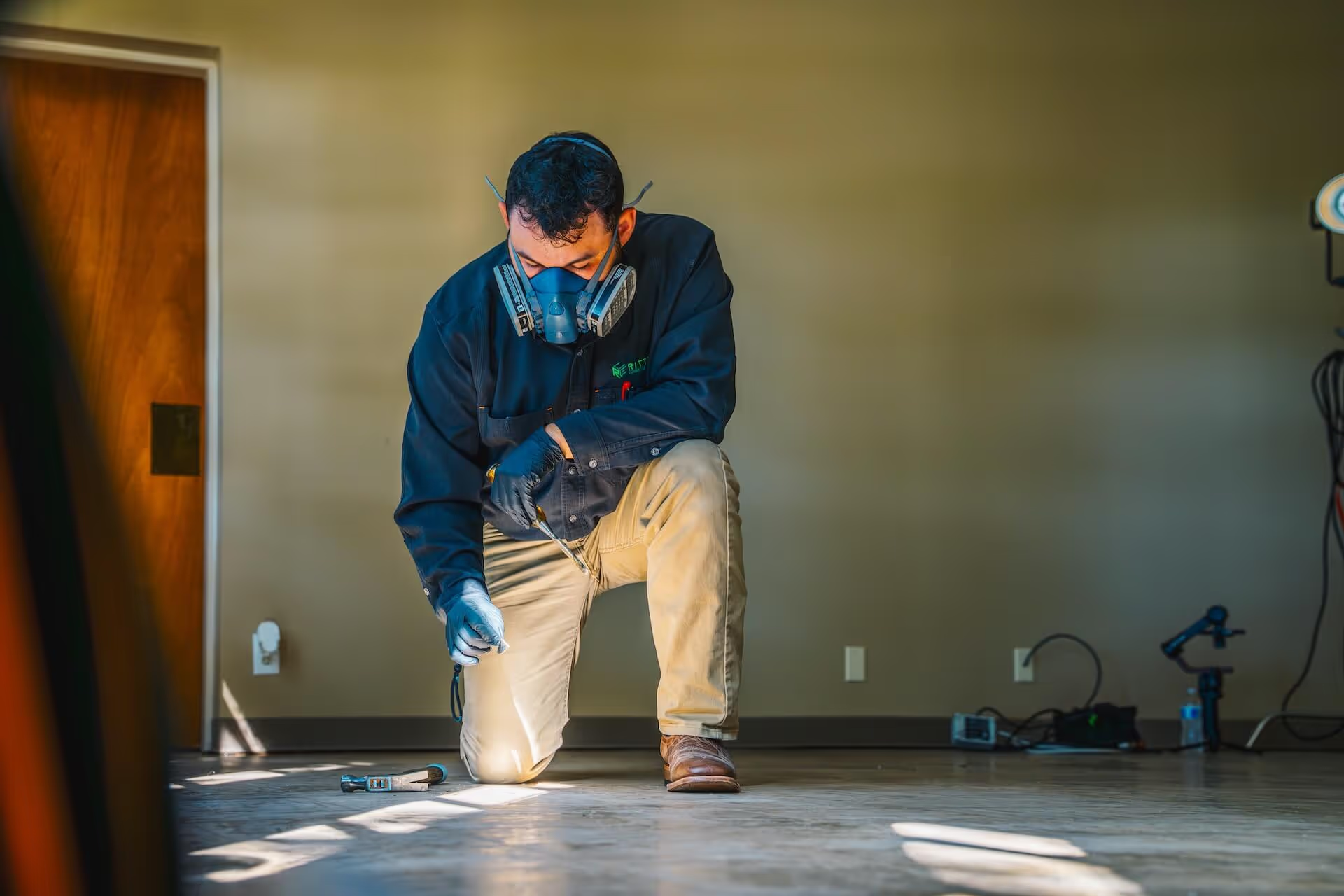
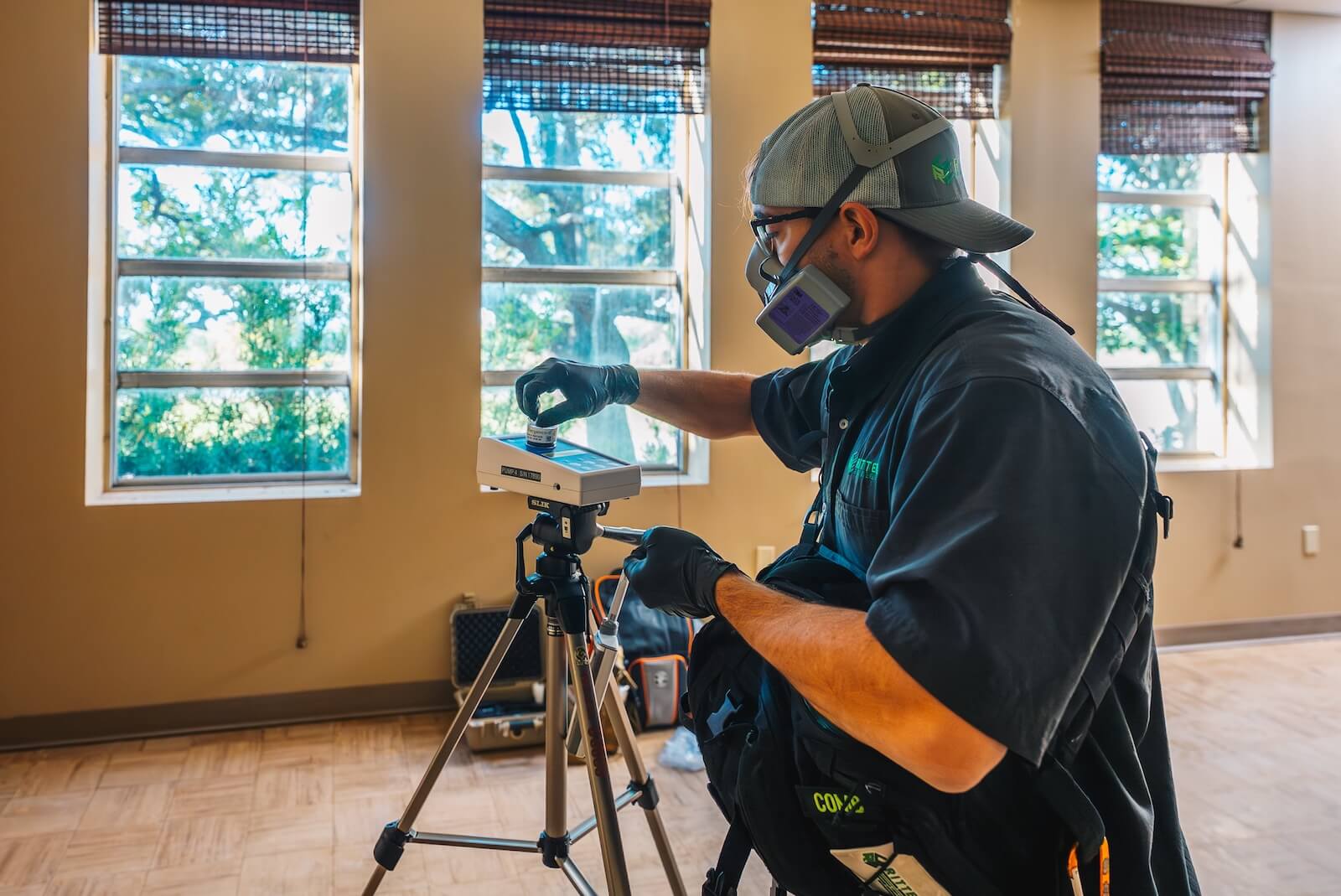
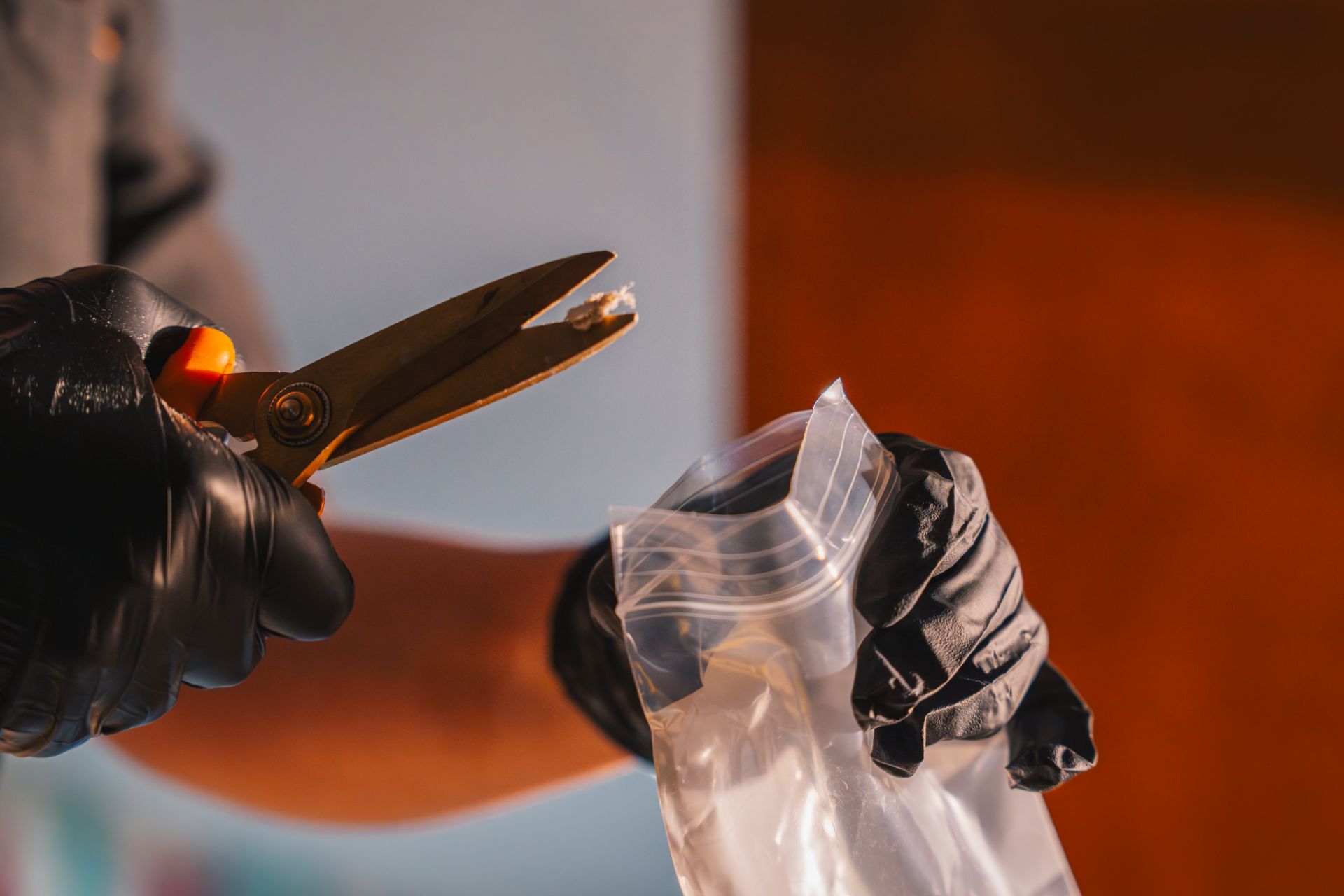
Clearance testing happens after abatement, once a contractor reports the work as finished. Our team collects air samples inside the containment area and compares results against established fiber concentration limits. Because this step confirms whether a space is safe to reoccupy, it's typically performed by a party independent from the abatement contractor. Asbestos clearance sampling in Louisiana projects requires strict protocols for sample location and volume. Results are documented and provided to the building owner, architect, or general contractor. That documentation supports re-occupancy decisions and remains part of the project record.

Read More
Talk to Our Team

Core Values

What Drives
Us Forward

Integrity

We do the right thing, every time. Ritter is built on honesty, accountability, and ethical standards that never waver, giving clients complete confidence in our work.

Excellence

With elite expertise, advanced tools, and cutting-edge systems like FACTR, we deliver smarter, faster, and more accurate results you can trust.

Responsiveness

Time matters. Our clients can count on us to be prepared, adaptable, and fast without compromising quality or compliance.

Partnership

We build relationships that last. Ritter treats every client as a trusted partner, offering guidance, education, and reassurance through even the most complex challenges.

Our Partners

Testimonials

Why We're Trusted

Client Testimonials For Environmental Consulting Services Louisiana

FAQ

What is asbestos air clearance testing, and when is it required?

Asbestos air clearance testing is performed after asbestos abatement work has been completed. The purpose is to evaluate airborne fiber levels within the work area before containment systems are removed or the space is returned to normal use. Clearance testing is commonly required as part of regulated asbestos abatement projects.

What's the difference between asbestos clearance testing and routine asbestos air monitoring?

While both services involve collecting and analyzing air samples, they serve different purposes. Routine air monitoring may take place before, during, or throughout a project to document environmental conditions. Clearance testing is conducted after abatement work is complete and is intended to determine whether the area meets applicable clearance criteria.

What fiber concentration is required to pass asbestos air clearance testing?

Clearance requirements vary based on the project, regulatory standards, and testing methodology being used. During the planning process, we help clients understand the applicable requirements and documentation needed for their specific project.

Why must asbestos clearance sampling be performed by an independent third party?

Independent clearance sampling helps provide an unbiased evaluation of post-abatement conditions. Using a qualified third party allows project stakeholders to receive objective testing results and documentation from a party that was not responsible for the abatement work itself.

What happens if a building fails asbestos air clearance testing?

If clearance criteria are not met, additional cleaning, corrective measures, or further evaluation may be necessary before retesting occurs. The next steps will depend on project conditions and the findings identified during the clearance testing process.

Asbestos Air Clearance Testing
Services in Louisiana

Completing an asbestos abatement project is not always the final step before a space can return to normal use. In many situations, clearance testing is performed to evaluate conditions in the work area and to document whether applicable requirements have been met after abatement activities are complete.

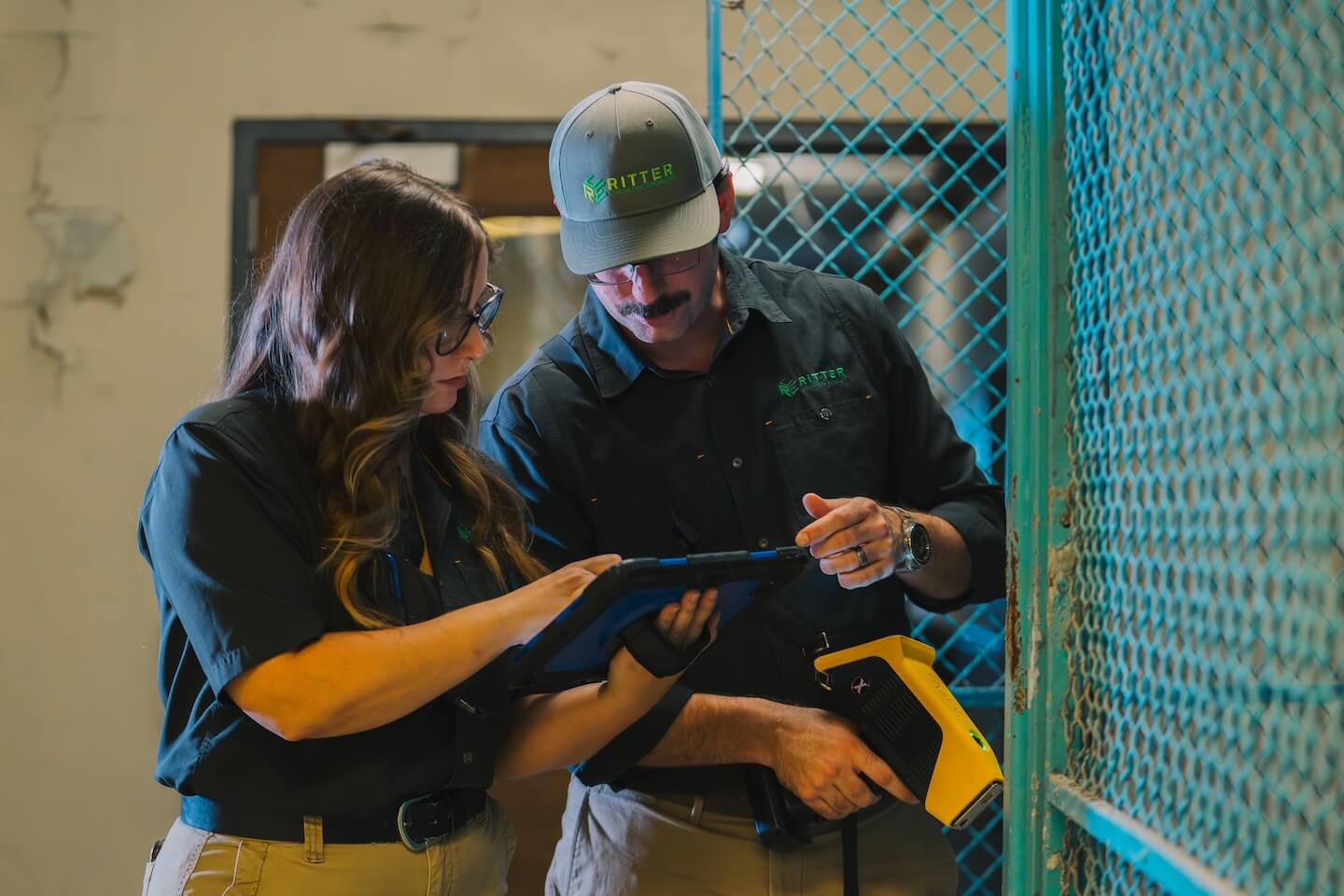
At Ritter Consulting Engineers, we provide asbestos air clearance testing in Louisiana for schools, commercial facilities, government buildings, industrial properties, and other structures throughout the state. Our team works with property owners, contractors, facility managers, and public agencies to provide independent testing and reporting following asbestos-related work.

Asbestos Clearance Sampling and Documentation

As part of this process, asbestos clearance sampling in Louisiana is conducted within the abatement area using established sampling procedures and laboratory analysis methods. The collected data provides documentation regarding airborne fiber concentrations at the time testing is performed. Clearance testing results often become an important component of project records and regulatory documentation.

Evaluating Spaces Before Reoccupancy

Independent asbestos clearance testing in Louisiana is commonly performed after containment remains in place but before the area is returned to normal occupancy. By evaluating post-abatement conditions, project stakeholders can gain a clearer understanding of whether additional corrective measures may be necessary before moving forward.

Environmental Consulting Throughout the Project Lifecycle

Many projects that require asbestos air clearance in Louisiana also involve environmental consulting services earlier in the process. This may include project planning, air monitoring, material assessments, or an asbestos inspection performed before renovation, demolition, or abatement work begins. These services help establish the information needed to support project decision-making from start to finish.

As a full-service environmental consulting firm, our team at Ritter Consulting Engineers provides an asbestos testing service approach focused on accurate documentation, clear communication, and practical project support. We work closely with clients throughout the testing process to provide information that helps support compliance efforts, project closeout requirements, and informed facility decisions.

Talk to a
Team
You Can
Trust