
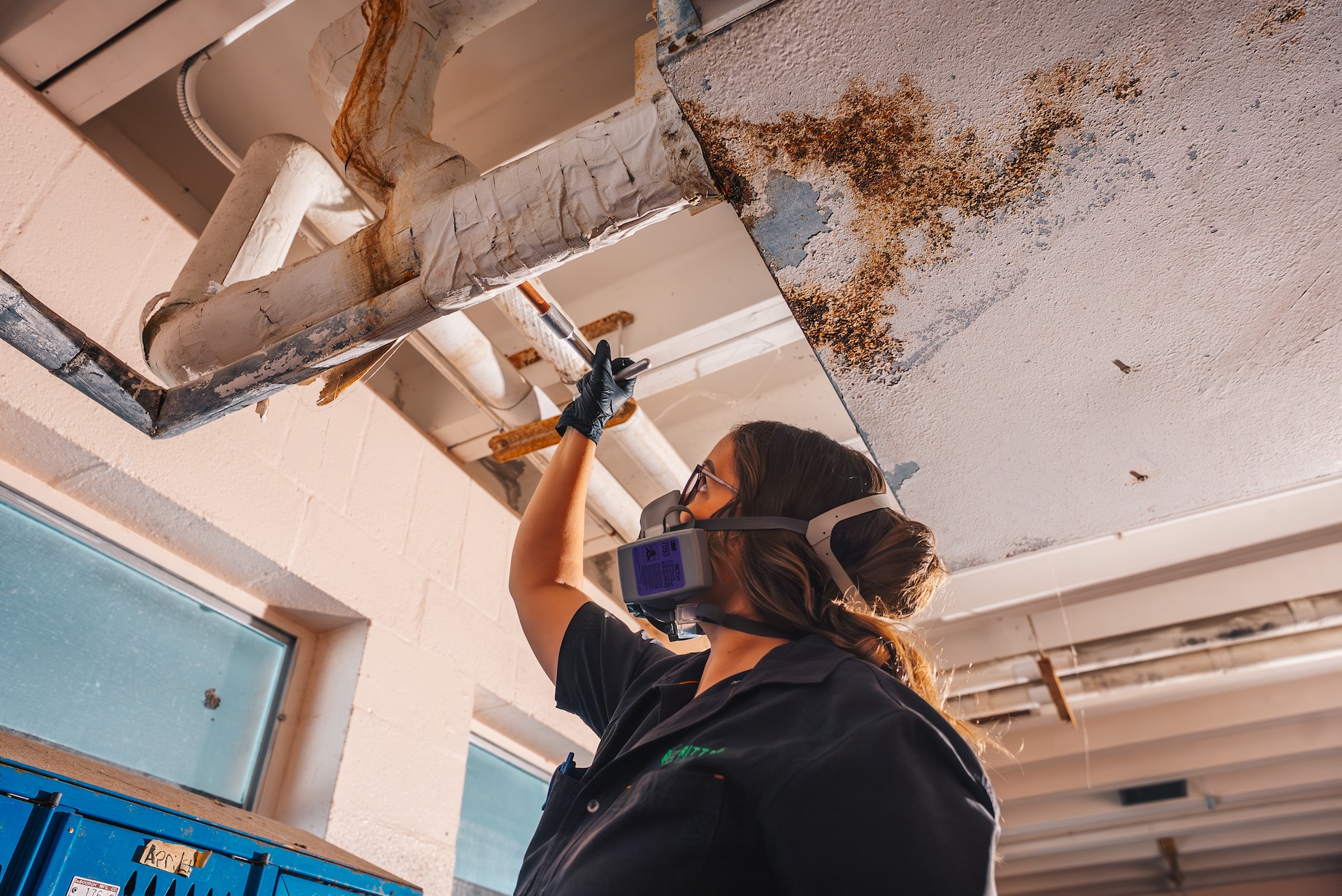
Discovering asbestos in your building can feel overwhelming, but understanding the next steps helps ensure proper management and compliance with safety regulations. Asbestos-containing materials are not automatically dangerous when left undisturbed, but they require professional assessment and careful handling to protect occupant health. The key is working with certified professionals who can evaluate the situation and develop an appropriate response plan.
Immediate Assessment and Risk Evaluation
When asbestos is identified through testing, the first step is determining the condition and risk level of the materials. Intact, well-maintained asbestos-containing materials that are unlikely to be disturbed may simply require ongoing monitoring. However, damaged, deteriorating, or friable asbestos materials pose immediate health risks and require prompt action. A comprehensive asbestos survey evaluates the extent, condition, and accessibility of all asbestos-containing materials to prioritize response efforts.
Developing a Management Plan
Not all asbestos requires immediate removal. Depending on the assessment results, your certified consultant will recommend one of several approaches: encapsulation (sealing the material), enclosure (covering with protective barriers), or complete removal. The choice depends on factors such as the material's condition, location, likelihood of disturbance, and intended use of the space. An asbestos survey in Louisiana provides detailed documentation of all findings and recommendations, creating a roadmap for safe management.
Professional Remediation and Containment
If removal or remediation is necessary, the work must be performed by certified asbestos abatement contractors in accordance with strict EPA and OSHA protocols. This process involves establishing containment areas, using specialized equipment to prevent fiber release, and following precise work practices to protect both workers and building occupants. All removed materials must be appropriately disposed of at approved facilities, and the area must undergo thorough cleaning and air monitoring before re-occupancy.
Verification and Documentation
After remediation is complete, independent verification ensures that the work was performed correctly and that the area is safe for everyday use. This includes visual inspection, air sampling, and comprehensive documentation of all activities. Proper documentation is essential for regulatory compliance, insurance purposes, and future building management decisions.
Long-term Monitoring and Maintenance
For asbestos materials that remain in place, ongoing monitoring and maintenance programs help ensure continued safety. This includes periodic inspections to assess material condition, proper maintenance procedures to prevent disturbance, and precise documentation for future renovations or property transactions. Building owners should maintain comprehensive records and ensure that maintenance staff understand proper protocols for working around asbestos-containing materials.
Expert Guidance Every Step of the Way
Ritter Consulting Engineers has provided certified asbestos consulting services in Louisiana for over 40 years. Our licensed inspectors and project managers guide clients through every phase of asbestos management, from initial assessment through post-remediation verification. We understand Louisiana's regulatory environment and work with property owners, contractors, and facility managers to ensure safe, compliant, and cost-effective solutions. If asbestos has been identified in your building, contact us today to discuss your options and develop a comprehensive management plan that protects your occupants and your investment.